Hello,
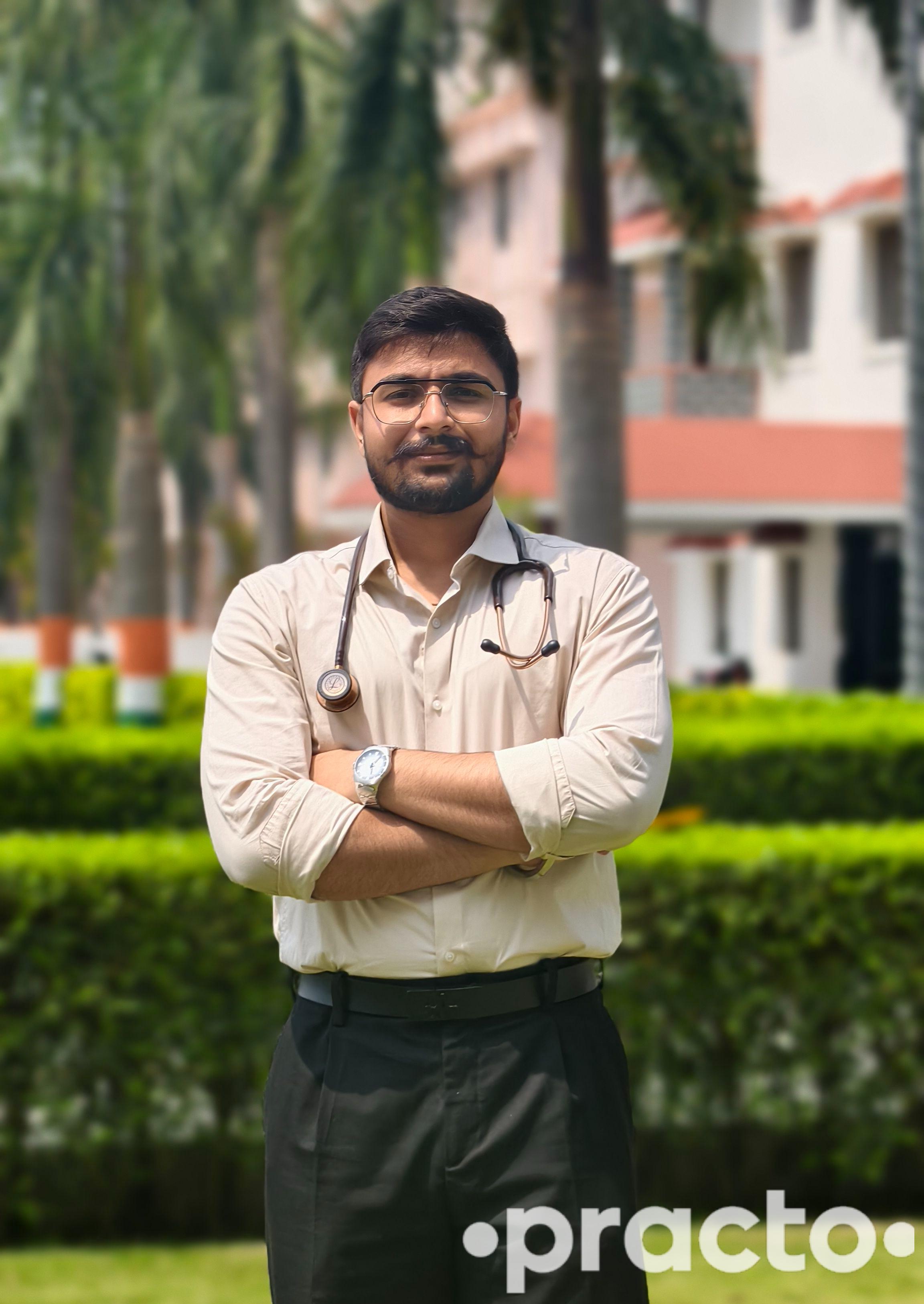
I am Dr. Romain Rajan, General Physician (Ex Govt Medical Officer at RML Hospital, New Delhi), and your case has been allotted to me.
Thank you for your question. A well planned vegetarian diet is generally healthy and does not inherently cause health problems. In fact, vegetarian diets can provide good amounts of fibre, vegetables, fruits and beneficial plant nutrients.
The main concern is that certain nutrients can become deficient if the diet is not properly planned.
Nutrients to pay attention to
â¢
Vitamin B12: The most important concern, particularly in strict vegetarians. Fortified foods or supplements may be required.
⢠Iron: Plant based iron is less readily absorbed. Include lentils, beans, soy, green leafy vegetables, sesame and nuts along with vitamin C rich foods.
⢠Protein: Ensure adequate intake through dal, beans, soy, paneer, curd, milk, nuts and seeds.
â¢
Vitamin D: Deficiency is common in both vegetarians and non vegetarians and depends more on sunlight, diet and individual factors.
â¢
Calcium, zinc and omega 3 fatty acids: These should also be adequately included through dairy, seeds, nuts, legumes and fortified foods where appropriate.
There is no need to start eating meat simply for health reasons if a vegetarian diet is balanced. The risk usually comes from an unbalanced diet rather than vegetarianism itself.
If someone has fatigue, hair loss, weakness, numbness or other unexplained symptoms after becoming vegetarian, checking CBC,
ferritin, vitamin B12 and vitamin D can be useful.
For personalised one to one consultation, you can reach out to me directly on WhatsApp at 80762047 three eight.
Wishing you good health.
Dr. Romain Rajan
General Physician