I have exercise intolerance always feel uncomfortable in doing dancing or any thing after two minutes i am not able to do but walking no problem echo done one year ago normal is normal is there any problem in heart or what not able to do exercise feel uneasiness symptoms
If you want to discuss your problem in more detail, feel free to message me on WhatsApp at nine one one nine two five five six nine nine for a detailed free discussion
Answered
Flag this answer
Let others know if this answer was helpful
Was this answer helpful?
YESNO
Didn't find the answer you are looking for?
Talk to experienced doctor online and get your health questions answered in just 5 minutes.
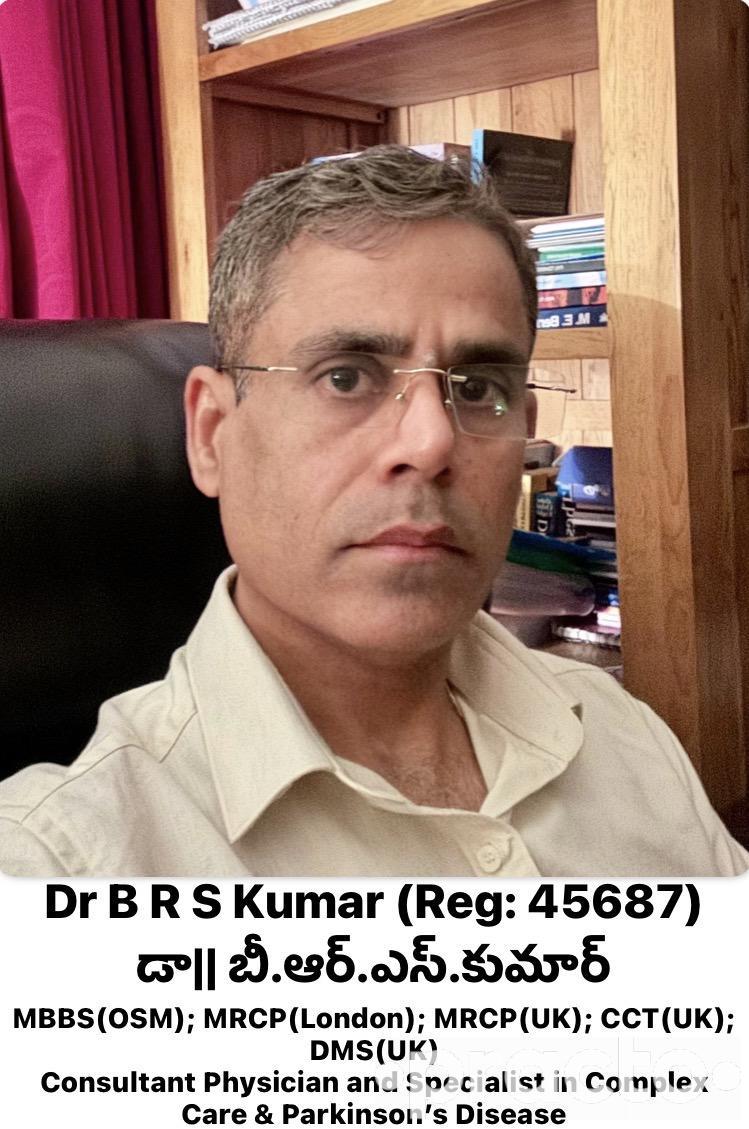
You need proper evaluation by a General Physician or by a Cardiologist. Please don't go for sketchy investigations. All should be done in a definite sequence.
2D ECHO is done by a Cardiologist. It is not possible that a Cardiologist will do a 2 D Echo without talking to you. It is quite possible that the 2 D Echo was done by a Cardic Technician and you didn't consult a Cardiologist with the report.
Most people struggle with anything more than walking due to poor aerobic reserve.
Treadmill with an incline is a great way to build aerobic reserve.
All the best.
www.jgsr-health-education.in
There are lots of reasons for exercise intolerance. Can be problem in heart, lungs, musculoskeletal conditions, diabetes, anemia.
Please share details of your symptoms, get Haemoglobin, blood sugar, thyroid profile, X ray chest done and share results. Then I can help you.
At 27 years old, with:
• Normal echocardiogram (1 year ago)
• Able to walk without problem
• Difficulty only with higher-intensity activity (dancing, bursts of effort)
• Feeling uneasiness within 2 minutes
Significant structural heart disease is unlikely.
This pattern is more commonly due to:
• Physical deconditioning
• Anxiety-related exercise intolerance
• Low hemoglobin or vitamin deficiency
• Thyroid imbalance
• Poor breathing pattern during exertion
If walking is fine but higher intensity causes discomfort, it usually suggests low aerobic conditioning, not heart failure.
Serious cardiac causes typically produce:
• Chest tightness with exertion
• Breathlessness on walking
• Fainting
• Strong family history of sudden cardiac death
If these are absent, heart disease is less likely.
Next Steps
I recommend:
✔ Check Hemoglobin
✔ Check TSH (thyroid)
✔ Check Vitamin B12 & Vitamin D
✔ Consider ECG if not done recently
If anxiety is suspected:
✔ Try controlled breathing during activity
✔ Monitor heart rate objectively rather than by sensation
If still concerned:
✔ Do a TMT (Treadmill Stress Test) for objective assessment
This will clearly show whether your exercise capacity is normal.
Health Tips
✔ Start gradual conditioning:
• Week 1–2: Brisk walking 20 minutes
• Week 3–4: Add light jogging intervals
✔ Practice diaphragmatic breathing
✔ Avoid sudden high-intensity bursts
✔ Stay hydrated
✔ Improve sleep quality
Most young adults with this pattern improve significantly with structured conditioning.
If you share whether you experience palpitations, dizziness, or chest tightness during episodes, I can assess your risk more precisely. Booking an online consultation would allow a structured cardiovascular evaluation and help you safely return to full exercise capacity with confidence.
Heart disease is less likely because echo is normal .you need to evaluate properly first and consult with general physician locally because you need physical examination and some routine test required for proper evaluation.
If your Echo was normal, serious heart disease is less likely.
Exercise intolerance at your age can happen due to:
• Low physical conditioning
• Anxiety or stress
• Low hemoglobin or vitamin deficiency
• Breathing issues like mild asthma
Since you feel discomfort with exertion, it is better to do a basic evaluation such as ECG, hemoglobin and thyroid test.
Meanwhile start light exercise gradually and increase intensity slowly.
Based on your symptoms, this may require proper clinical assessment and prescription. You may book an online consultation with me for detailed evaluation and personalised treatment plan.
I understand your concern. However, giving specific medical advice without a proper evaluation may not be safe or accurate. A brief consultation will allow me to understand your symptoms, medical history, and any reports you may have, so I can guide you properly. Please feel free to consult me here and I’ll be glad to assist you.
Dear Patient,
If your Echo was normal and you can walk comfortably, serious heart disease is unlikely.
Exercise intolerance with uneasiness after 1–2 minutes can be due to:
• Low stamina / deconditioning
• Anxiety or over-breathing
• Anemia
• Thyroid disorder
• Vitamin D / B12 deficiency
advise:
• CBC (to rule out anemia)
• TSH (thyroid test)
• Vitamin D & B12 levels
• Start gradual exercise (slow increase, not sudden intense activity)
If you develop chest pain, breathlessness at rest, fainting, or palpitations, consult a physician/cardiologist for re-evaluation.
Most cases at your age are non-cardiac and improve with conditioning and correction of deficiencies.
Disclaimer : The content is not intended to be a substitute for professional medical advice, diagnosis, or treatment. Always seek the advice of your physician or other qualified health provider with any questions you may have regarding your medical condition. Never disregard professional medical advice or delay in seeking it because of something you have read on this website.
Disclaimer : The content is not intended to be a substitute for professional medical advice, diagnosis, or treatment. Always seek the advice of your physician or other qualified health provider with any questions you may have regarding your medical condition. Never disregard professional medical advice or delay in seeking it because of something you have read on this website.




 +164
+164