My 7 yr old has started left eye twitching followed by left cheek twitching and it's getting worst when she is talking fast, after school. Few days better, some days worst. Lab tests shows borderline iron and low vitamin D. Eye exam results shows good. She is active kid. Last 3 weeks no screen time, giving nutrition diet. Eye drops and sunglasses. But do not see any change so far. What type of doctor we should check with next? We are very concerned since it has started with only eye and now cheek is also involved. Please help with any recommendations.
I need to ask few more questions before answering your query.
Early consultations can prevent complications.
Kindly contact me on whatsapp chat
(84960595 six five)
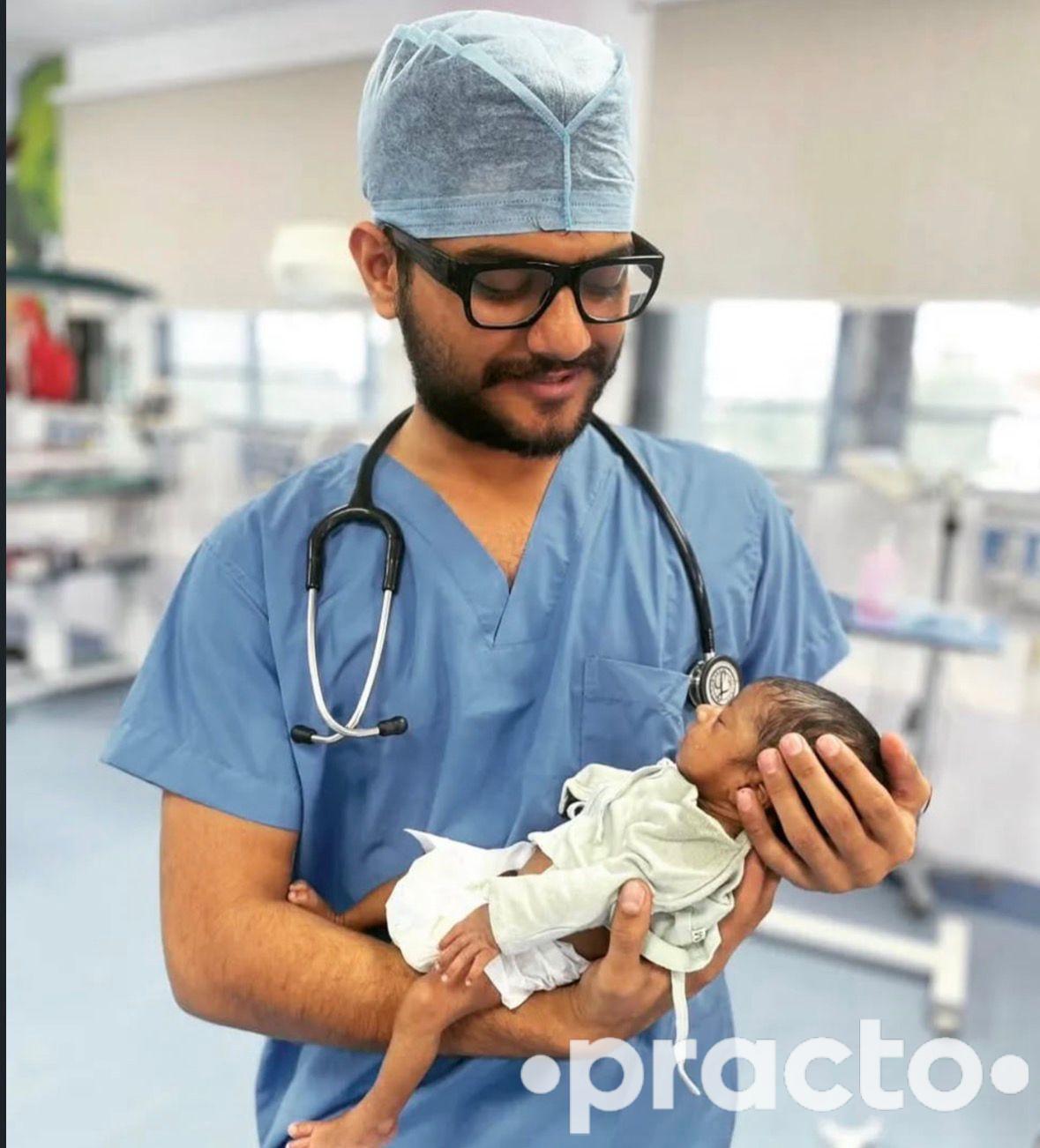
Dr Faisal Zoheb
MBBS , MD PAEDIATRICS , PGPN (BOSTON), FELLOWSHIP IN NEONATOLOGY ( Newborn and vaccination specialist )
Answered
Flag this answer
Let others know if this answer was helpful
Was this answer helpful?
YESNO
Didn't find the answer you are looking for?
Talk to experienced orthopedist online and get your health questions answered in just 5 minutes.
Most eye twitching in children is benign and can be related to stress, fatigue, anxiety, eye strain, lack of sleep, or nutritional deficiencies. Since the eye examination is normal and symptoms fluctuate, that is somewhat reassuring.
However, because the twitching has progressed from only the eyelid to involving the cheek/facial muscles, it would be reasonable to consult a pediatric neurologist for a proper examination. They can differentiate between:
• simple eyelid myokymia/tics
• facial tics
• hemifacial spasm
• less commonly seizure-related movements or other neurological causes
Next Steps
Meanwhile:
• ensure adequate sleep
• continue reducing screen strain
• maintain hydration and balanced diet
• correct iron/vitamin D deficiency as advised
• avoid repeatedly pointing out the twitching to the child, as stress/anxiety can worsen it
Health Tips
Seek urgent evaluation if there is:
• weakness of face
• abnormal movements elsewhere
• loss of awareness
• headaches/vomiting
• vision changes
• persistent worsening or continuous twitching.
Greetings
Involuntary left-sided facial twitching in a child that appears to worsen with stress or fatigue. These symptoms could represent several possibilities, such as motor tics, hemifacial spasm, or benign fasciculations. A pediatric neurologist is the most appropriate specialist to consult next for a comprehensive evaluation of these movements
Disclaimer : The content is not intended to be a substitute for professional medical advice, diagnosis, or treatment. Always seek the advice of your physician or other qualified health provider with any questions you may have regarding your medical condition. Never disregard professional medical advice or delay in seeking it because of something you have read on this website.
Disclaimer : The content is not intended to be a substitute for professional medical advice, diagnosis, or treatment. Always seek the advice of your physician or other qualified health provider with any questions you may have regarding your medical condition. Never disregard professional medical advice or delay in seeking it because of something you have read on this website.




 +113
+113